Agentic patterns
Agentic patterns, one shape at a time.
Workflow automation is pattern work. A pattern is a shape, and each box in it can be filled by code, a model, an agent or a person. This series takes the shapes one at a time: the principle, where it applies, and a small demo you can watch run.
Why patterns
The framework is the last question
When a team asks me whether an agent can take over part of a process, I start with four questions. What happens when the model is wrong? Who decides when it is unsure? Which rules may never bend? Where does a person sign off? Each pattern below answers one of them.
None of this started with agents. Wil van der Aalst and his colleagues in Eindhoven catalogued workflow patterns around 2000, and Gregor Hohpe and Bobby Woolf published Enterprise Integration Patterns in 2003. The agent catalogues from Anthropic and Microsoft describe the same shapes with a model in some of the boxes. So each page here shows its pattern three ways: built from code alone, as a hybrid, and with agents throughout.
Every demo runs on a real agent framework. In the four demos live today a scripted stand-in plays the model, so the runs are repeatable; the demos now in preparation replay recorded runs of a real model.
Control
How do we stay in charge of a model step?

Agentic patterns: Validate and retry
Check every answer against a schema and the business rules before your systems see it. Failures go back to the model with the exact error, and a run that cannot be fixed ends as a typed failure.
Read the pattern Pattern 02 · Demo: Monday inbox flood · TypeSafe Jev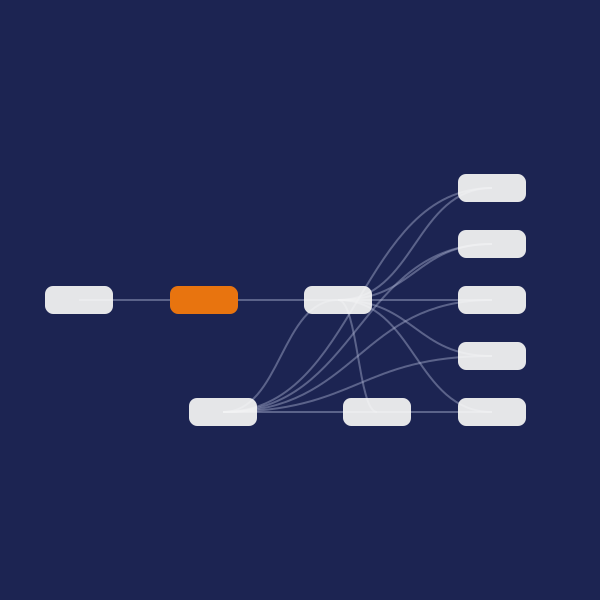
Agentic patterns: Confidence routing
A decision model answers typed questions with a confidence score. Sure cases go straight through, doubtful ones go to an LLM, and the hard ones go to a person. The thresholds become a business setting.
Read the pattern Pattern 04 · Demo: The 3am incident · LangGraph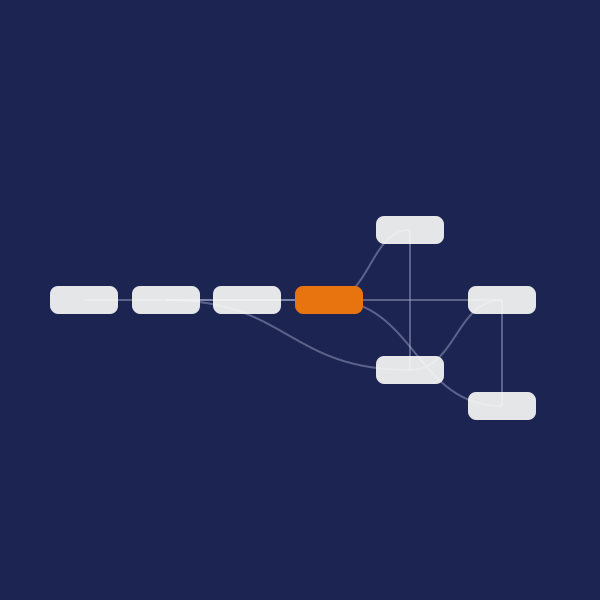
Agentic patterns: Human approval gate
The agent investigates at full speed and stops before the action that matters. The run saves its state, waits for a person, resumes with their answer, and can be rewound to replay a different decision.
Read the patternStructure
How does the work flow?
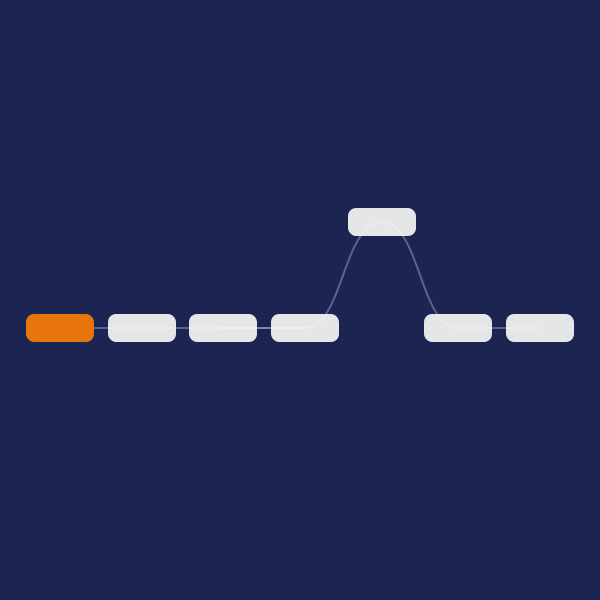
In preparation: Parallel split and join, Handoff.
Collaboration
When do several agents beat one?
In preparation: Maker-checker, Group chat and round robin.
Choosing
Start from the problem
Real processes combine them. A digital mailroom routes each document by confidence, validates the fields it extracts, applies policy in a workflow and stops for approval before money moves.
| If this is your problem | Start with |
|---|---|
| The answer feeds other software and has to be well formed | Validate and retry |
| High volumes of routine decisions from a known list | Confidence routing |
| Some steps are law or policy, some need judgement | Agents inside a workflow |
| An action is costly or hard to undo | Human approval gate |
Contact
Questions, ideas or a conversation?
I’m always glad to hear from people working on AI, product strategy, transformation or software.